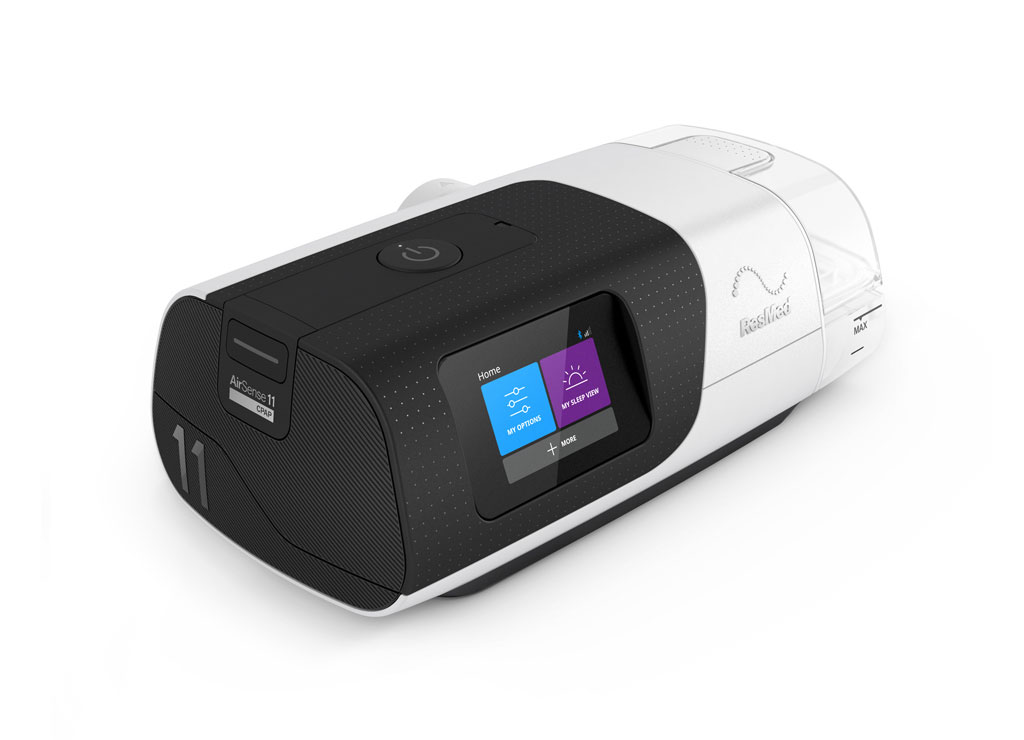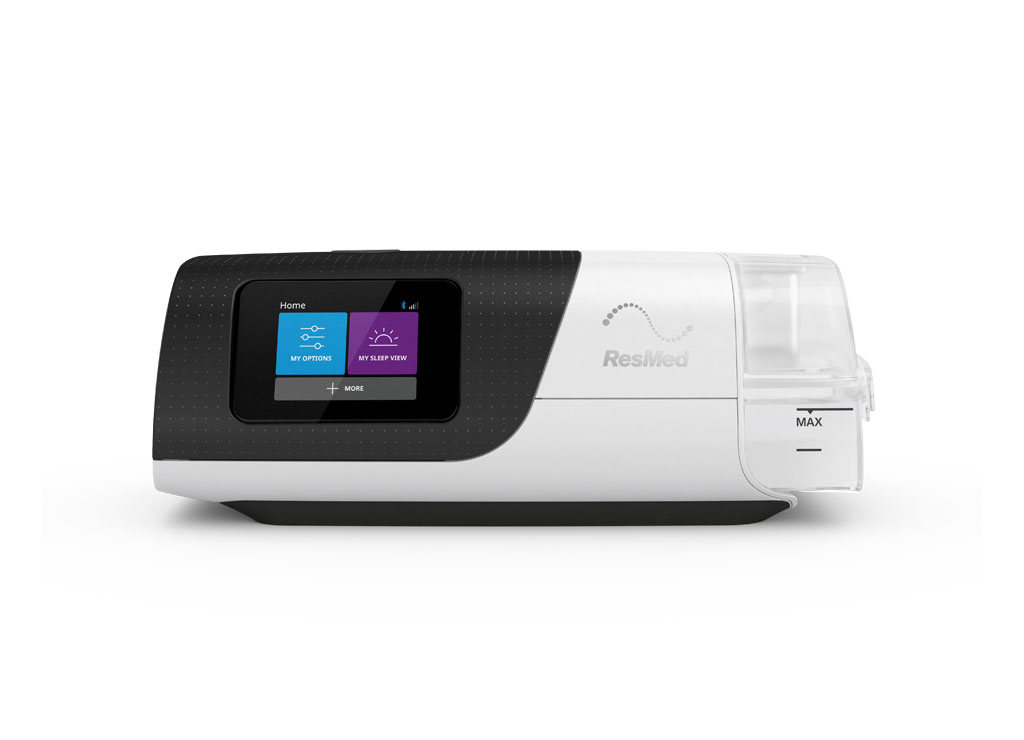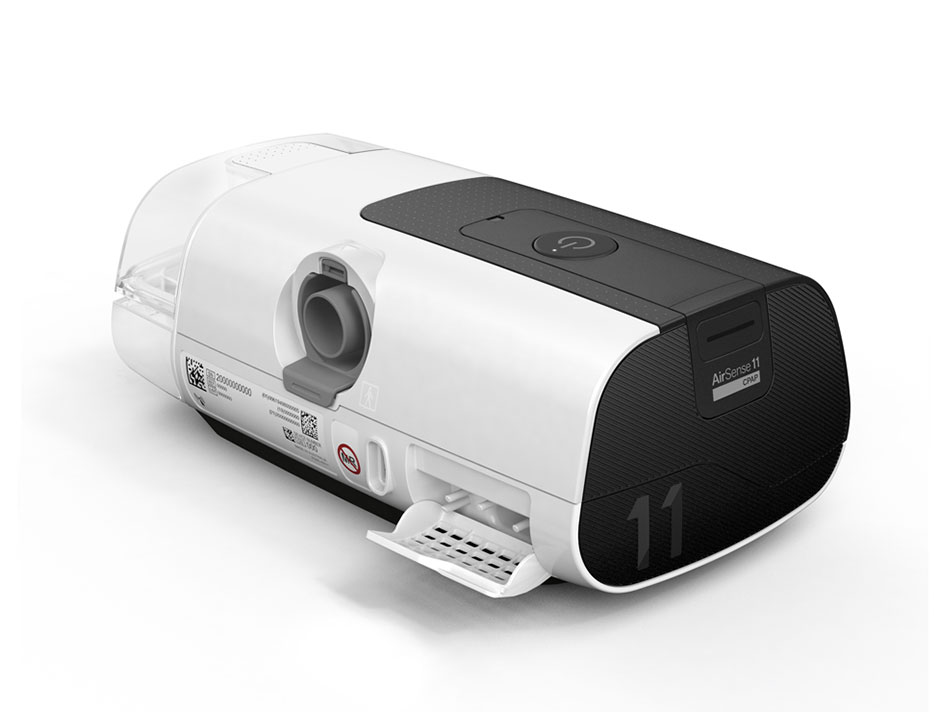
Combining enhanced digital health technology with effective therapy modes, AirSense™ 11 APAP and CPAP machines are designed to make starting sleep apnea therapy, and adhering to it, easier and more convenient than ever before.
Each machine includes access to myAir™, our easy-to-use online support program and app1 designed to help you get started and adjust to therapy. AirSense 11 users also get exclusive access to new myAir features2 like Personal Therapy Assistant and Care Check-In.
Every AirSense 11 machine includes a wide range of features designed to deliver comfortable therapy, as well as tools and myAir access to help you start and stay on track throughout your sleep apnea treatment journey.
Auto-adjusting machine that changes airflow pressure levels on a breath-by-breath basis. It also includes the For Her algorithm, a gender-specific therapy mode.
These are fixed-pressure machines, which deliver a consistent pressure that’s set by your doctor.
Continuous positive airway pressure (CPAP) therapy is highly effective and is the most used and understood method for treating sleep apnea.8 It involves a mask that fits over your nose and/or mouth and connects to a machine that pushes air through the mask. This flow of air is continuously delivered to your airway and helps prevent the stops and pauses in overnight breathing that sleep apnea can cause. In short, CPAP helps you breathe during the night, so you wake up feeling refreshed and well-rested.
Some people may have trouble getting used to CPAP. In those cases, auto-adjusting positive airway pressure (APAP) therapy allows the level of delivered air to adjust based on the person’s needs. It only delivers the amount of pressure needed at any given moment. Bilevel PAP devices are a variation of CPAP that deliver different pressure levels during inhalation and exhalation.
Whether or not you have sleep apnea, lifestyle changes may benefit you. Your doctor may recommend you lose weight, cut down on alcohol or quit smoking to help improve your sleep apnea symptoms.
CPAP therapy is the gold standard for treating mild to moderate sleep apnea, although doctors may prescribe oral appliance therapy as an alternative option. An oral appliance, or a mandibular repositioning device (MRD), holds your lower jaw in a forward position while you sleep. A part of the device expands the space behind the tongue and puts tension on the walls of the throat to help keep the airway open and reduce palate vibration.
Your doctor may review your medications to determine if they’re contributing to your sleep apnea symptoms. Medications such as antihistamines, opiates and benzodiazepines for anxiety can exacerbate sleep apnea symptoms by causing the airway to relax and narrow.
If you’re suffering from allergies or chronic nasal congestion, your doctor may prescribe nasal sprays or decongestants to help reduce swelling and open your airway.
For people with moderate to severe OSA who may not respond to CPAP or oral appliance therapy, another option is hypoglossal nerve stimulation (HGNS), also known as upper airway stimulation (UAS). This is an implantable therapy that is intended to help keep the airway open during sleep.9
While surgery isn’t generally a first line of defense against sleep apnea, some surgical treatments are available. Uvulopalatopharyngoplasty (UPPP)10 is the most common surgery performed for OSA in the U.S. In this procedure, surgeons remove extra tissue in the throat to open the upper airway. Other less common surgical options include nasal surgery to fix a crooked or deviated septum, jaw surgery to change the position of the jaw, surgery to remove the tonsils or adenoids or somnoplasty, which uses radiofrequency to shrink the tissue in the upper airway.
If you or a loved one has sleep apnea, there are things you can do to reduce symptoms and improve your quality of life. As always, consult your doctor before starting new therapies, diets or exercise programs.
Communicate regularly with your doctor about any concerns or challenges you may be facing with the proposed treatment.
CPAP can take some getting used to, but the more consistent you are with your therapy, the more likely you are to reap the health benefits.
Managing your weight can help take pressure off your airway, helping you sleep more comfortably and improving your sleep apnea symptoms.
Alcohol can exacerbate sleep apnea symptoms. Your best bet is to drink in moderation (or not at all) and avoid alcohol before bedtime.
Smoking may increase inflammation and narrowing in your upper airway. Quitting is a positive step towards improving your sleep and your health.
Allergies create nasal congestion and can dry out your mouth or block your airways. Talk to your doctor about the best solution for treating your allergies.
Sleep apnea is a disorder in which you stop and start breathing (apneas) or experience shallow breathing (hyopneas) during sleep.1 This prevents your body from getting oxygen and interrupts your natural sleep patterns. Sleep apnea is a serious medical condition that can impact your health and well-being. It’s important to know the signs of sleep apnea, if you’re at risk and how to get diagnosed and treated.
Sleep apnea is a medical condition that interrupts your sleep due to muscle contractions in your airway that temporarily cut off your oxygen supply. It causes you to continuously wake up to resume normal breathing throughout the night. People living with sleep apnea may stop breathing and wake up 240 times or more during a full eight hours of sleep.1 As a result, if you suffer from sleep apnea, this lack of sleep often leaves you feeling exhausted, with low energy and craving caffeine during the day.
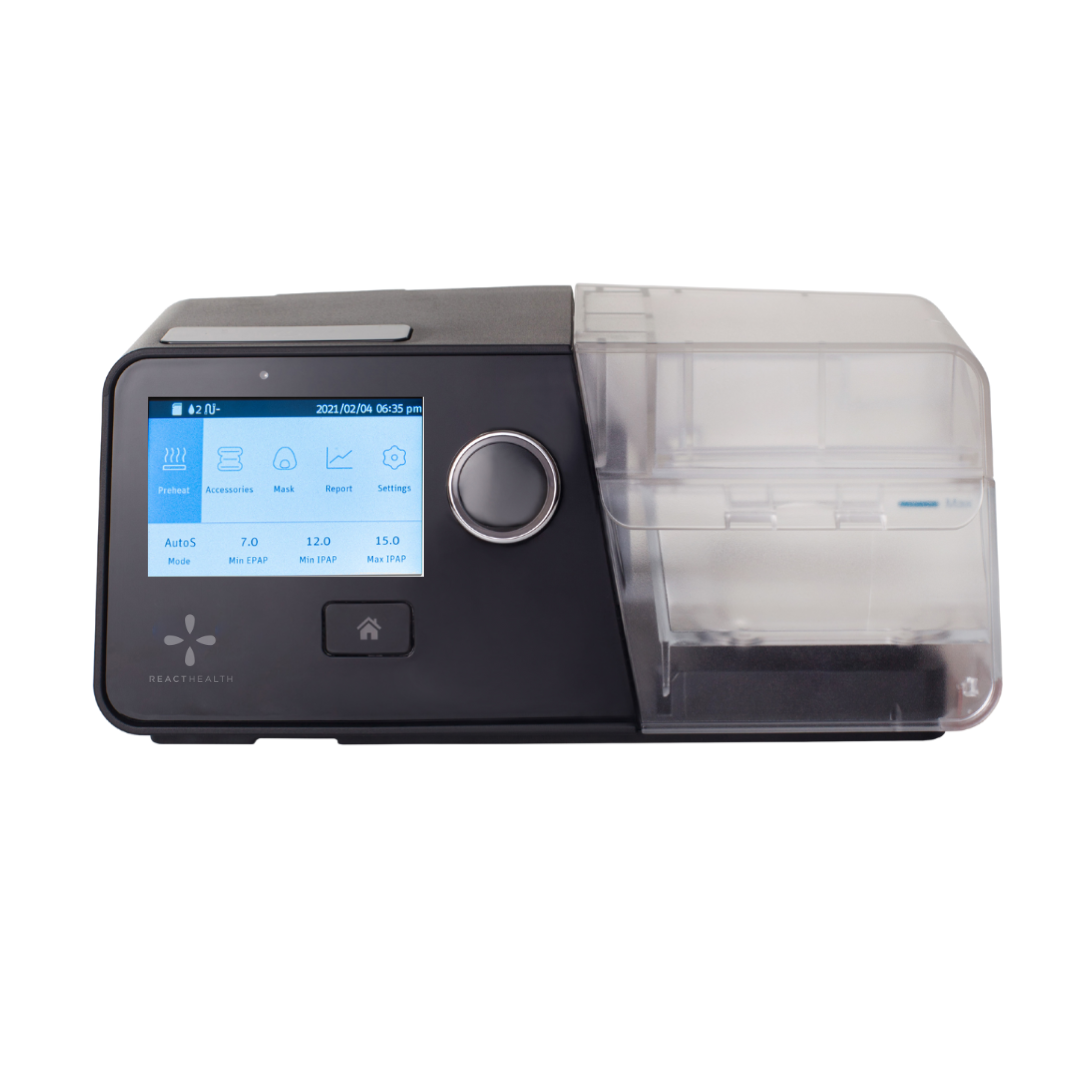
Our standard patient-forward features include integrated heated tubing, pre-heat humidifier function and Auto Ramp offering added comfort to patient therapy as well as a bedside clock and resupply reminders for the convenience of the patient. You will find these features and more, in a smaller footprint, with an easy-to-read full color screen and intuitive interface.
| Device Dimensions (L x W x H) | 10.4” x 5.7” x 4.5” |
| Weight | 3.75 lbs. |
| Pressure Range | 4 to 20 cm H20 (in 0.5 cm increments) |
| Ramp Time | 0 to 60 minutes |
| Sound pressure level dBA | < 28 dB, when the device is working at the pressur |
| Water Capacity | 360 ml (to max fill line) |
| Standard Heated Tubing | Yes |
| Work Mode | Auto-CPAP (LG3600, LG36002) |
Device Dimensions (L x W x H)
10.4” x 5.7” x 4.5”
Weight
3.75 lbs.
Pressure Range
4 to 20 cm H20 (in 0.5 cm increments)
Ramp Time
0 to 60 minutes
Sound pressure level dBA
< 28 dB, when the device is working at the pressur
Water Capacity
360 ml (to max fill line)
Standard Heated Tubing
Yes
Work Mode
Auto-CPAP (LG3600, LG36002)
256-238-8991
info@downeymed.com